
The energy of immunity powerfully counteracts COVID
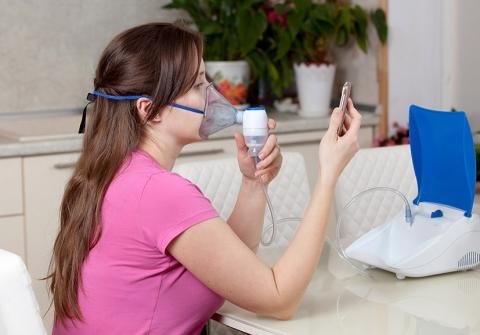
In 2020, humanity faced a terrible disease – the COVID 19 pandemic. Later, it became known that the disease affects not only the elderly and people with chronic diseases, but also people with reduced immunity. Common consequences of COVID are: pneumosclerosis on the background of inflammation, chronic cough, attacks of suffocation and later – respiratory failure. All these consequences can remain with a person for the rest of his life and in the worst cases – life itself faces an imminent threat. The risk of lung cancer increases, especially in cases when the coronavirus infection causes exacerbations of chronic obstructive pulmonary disease (COPD).
To overcome the terrible consequences of Covid, effective support of respiratory tract immunity system is necessary. Immuno-corrector Arecur® in the form of inhalations provides the respiratory system with the immune energy – and then pneumosclerosis does not occur at the site of inflammation, activated immune cells clean the bronchi from the remains of the infection. Cough subsides and breathing becomes free. Protecting the respiratory tract is important for cancer prevention. Thanks to their properties, formed by an evolution for millions of years, immune peptides are able to reduce inflammation. Conversely, when immunity is needed, peptides activate the necessary number of immune cells to counter the danger effectively.[1] The mechanism of activation of immune cells is quite simple: being accumulated, immune peptides attach to cell membranes on the mucous membrane, and thus provoke their inspection by the patient’s own T-lymphocytes.[2] Thus the probability of detecting damaged cells is increased and immunoprophylaxis of bronchial cancer is implemented. Currently, the accumulated clinical data confirm that the use of the anti-relapse immuno-corrector Arecur® in the form of inhalations protects the patients’ respiratory tract from infection and thus prevents possible frequent relapses of COPD.[3]
The use of Arecur® inhalations is most effective according to the preventive scheme, before the SARS season – 1 inhalation per day, a course of 10 inhalations, preventive courses are recommended for patients with COPD at least 2 times a year. If the exacerbation of disease does occur, inhalations are prescribed during the recovery period after the temperature drops. It is recommended to take Arecur® capsules not only during the rehabilitation period after an exacerbation of COPD, but also for the prevention of seasonal viral infections and for the promotion of cellular immunity in effective resistance to pathogens. Take 1 capsule 2 times a day for 1 month in the cold season. Arecur® is fully compatible with antibacterial drugs and anti-inflammatory therapy.
Immune energy, which is provided to the mucous membranes of the respiratory tract by the immune peptides, creates conditions for effective resistance to possible threats, especially during periods of seasonal colds and generally in the era of the Covid-19 pandemic.
The immune energy of peptides overcomes herpes

Most often, people encounter diseases that are caused by 1 and 2 types of herpes viruses: herpes on the lips and face and herpetic lesions of the genitals. If herpes occurs on the lips, in the mouths of the nasal passages or in the eye area, it causes significant discomfort, and if the rash affects the genitals, sexuality decreases, problems in the intimate sphere arise. [1-3]
Herpes is transmitted mainly when the carrier’s body fluids (blood, saliva, semen, mucous secretions) come into contact with the sensitive areas of the body of a non-infected person.After that, the virus spreads inside the body, infects the nervous system, in particular nerve nodes, which practically ensures its lifelong existence in the host’s body. This circumstance largely determines the chronic course of the infection, affects the nature of the treatment and its results.
Currently developed and approved clinical protocols are aimed at reducing the frequency of herpes recurrences and reducing the intensity of symptoms. However, despite the availability of antiviral therapy, the virus, which has settled inside the nerve nodes, as if in the fortified points of the fortress, stubbornly resists and continues to cause exacerbations. [4,5]
In the course of research conducted by scientists from Japan, South Korea, Great Britain, the USA, as well as Ukraine, it was established that immune peptides of natural origin have the most ancient tasks formed by evolution: to activate immune cells and direct lymphocytes to destroy pathogenic viruses. The activity of natural peptides contributes to the formation of a complex set of sequential and cross biological reactions that serve one purpose – to maintain the immune system in a combat readiness state. The understanding of these mechanisms reasonably led to the introduction of drugs based on immune peptides into medical practice [6].
The immune energy of the Arecur®, which contains immune peptides, reliably protects our body from pathogenic bacteria and viruses [7-10]. If you use Arecur® in the form of capsules, effective natural peptides reach the intestine in an unchanged form, where the capsule dissolves. Then, entering the lymphatic system, they interact with immune cells and stimulate the production of immune defense proteins: immunoglobulins, cathelicidin, etc. [11-14]. In this way, the immune system additionally receives reliable tools to fight infection. It is important to effectively act on herpetic foci hidden in the nerve nodes, that is, to overcome the resistance of the “nerve fortifications” of the virus and destroy the danger with effective attacks of one’s own immune cells directed by Arecur®. It is recommended to use Arecur® for anti-relapse purposes:1 capsule 2 times a day for 30 days. The anti-relapse course should be started at least 10 days after the disappearance of the manifestations of the last herpes relapse.
With genital herpes, Arecur® is used in the form of a suppository within 20 days from the moment of occurence of herpes rashes. For a more harmonious healing of erosions on the skin, it is advisable to use Arecur® Derma ointment 3-4 times a day. After the end of the first course of candles, in 10 days, it is necessary to start the second course for the purpose of anti-relapse. If the manifestations of herpes occur more than 3 times a year and they are accompanied by significant discomfort, pain and heal slowly, specialists recommend taking a course of anti-relapse immuno-correction using the Arecur® injections: 1 fl. 2 times a day for 20 days. Positive results of clinical observations of Arecur® use for the treatment of infections caused by viruses were published in 2020, in the International Journal of Immunology, New York, USA.[15]
Sources
1. Crimi S, Fiorillo L, Bianchi A, et al. Herpes Virus, Oral Clinical Signs and QoL: Systematic Review of Recent Data. Viruses. 2019;11(5):463.
2. Schneider SM, Pritchard SM, Wudiri GA, Trammell CE, Nicola AV. Early Steps in Herpes Simplex Virus Infection Blocked by a Proteasome Inhibitor. mBio. 2019;10(3):e00732-19.
3. Xu X, Zhang Y, Li Q. Characteristics of herpes simplex virus infection and pathogenesis suggest a strategy for vaccine development. Rev Med Virol. 2019;29(4):e2054.
4. Forbes H, Warne B, Doelken L, et al. Risk factors for herpes simplex virus type-1 infection and reactivation: Cross-sectional studies among EPIC-Norfolk participants. PLoS One. 2019;14(5):e0215553.
5. Holub M, Stráníková A, Chalupa P, Arientová S, Roubalová K, Beran O. Frequent Recurrences of Genital Herpes Are Associated with Enhanced Systemic HSV-Specific T Cell Response. Can J Infect Dis Med Microbiol. 2020;2020:5640960.
6. Fruitwala S, El-Naccache DW, Chang TL. Multifaceted immune functions of human defensins and underlying mechanisms. Semin Cell Dev Biol. 2019 Apr; 88: 163-172.
7. Park MS, Kim JI, Lee I, Park S, Bae JY, Park MS. Towards the Application of Human Defensins as Antivirals. Biomol Ther (Seoul). 2018;26(3):242–254.
8. Sankaran-Walters Sumathi, Hart Ronald, Dills Chantelle. Guardians of the Gut: Enteric Defensins. Frontiers in Microbiology. Vol. 8, 2017: 647
9. Ahmed A. Siman-Tov G., Hall G., Bhalla N., Narayanan A. Human Antimicrobial Peptides as Therapeutics for Viral Infections. Viruses 2019, 11, 704.
10. Li W., Ma, G-X, Zhou, X-Xi. Apidaecin-type peptides: Biodiversity, structure-function relationships and mode of action. Peptides. 2006, 27(9):2350-9.
11. Hara S, Sasaki T, Satoh-Takayama N, et al. Dietary Antigens Induce Germinal Center Responses in Peyer’s Patches and Antigen-Specific IgA Production. Front Immunol. 2019;10:2432.
12. Dillon A, Lo DD. M Cells: Intelligent Engineering of Mucosal Immune Surveillance. Front Immunol. 2019;10:1499.
13. Komban RJ, Strömberg A, Biram A, et al. Activated Peyer’s patch B cells sample antigen directly from M cells in the subepithelial dome. Nat Commun. 2019;10(1):2423.
14. Chang JE, Buechler MB, Gressier E, Turley SJ, Carroll MC. Mechanosensing by Peyer’s patch stroma regulates lymphocyte migration and mucosal antibody responses. Nat Immunol. 2019;20(11):1506–1516.
15. Beniuk V, Goncharenko V, Kurchenko A, Tatskyy O, Konovalenko S, Vintoniuk S, Melnikov S, Nurimanov K, Podpriatov S. Anti-recurrent Immunocorrection in Gynecology Andrology and Proctology. International Journal of Immunology. Vol. 8, No. 1, 2020, pp. 1-8.
Renewal after stroke: The role of immunity support

According to the World Health Organization (WHO), 15 million people worldwide suffer a stroke every year. 5 million die, and another 5 million remain permanently disabled, which is a burden for the family and community [1]. A stroke carries a high risk of death and is called so because of the way it affects people. Survivors may experience loss of vision and/or speech, paralysis, and confusion. The risk of further episodes is significantly increased for people who have had a previous stroke. In case of a stroke, blockage of the artery, known as thrombosis, occurs more often, which leads to the ischemic variant of the disease. A rarer and more dangerous phenomenon is the rupture of a blood vessel – a hemorrhagic variant of a stroke [2]. Infectious complications like pneumonia, urinary tract infections, and infections of other systems and organs are common among stroke patients. Every year 3 million people die after the stroke due to the infectious complications [3,4].
Taking into consideration the well-known detrimental effects of stroke-related infection, effective treatment is crucial. Antibiotics are a traditional approach used to treat and even to prevent infections.
However, recently completed clinical researches have failed to demonstrate a significant benefit of use of antibiotics for preventive purposes among stroke patients [5-8], prompting an urgent need for better understanding the pathogenesis of post-stroke infections and identify viable approaches to combat them.
Immune suppression itself has been recognized as a key factor of the infection among the stroke patients [3,4]. Accumulating knowledge about stroke-induced immunosuppression provides an opportunity to enhance the immune defense and limit the threat of post-stroke infection. Restoring immunity after a stroke is an important and difficult task. After all, the patient’s exhausted body continues to be at life risks. The support of the immune system should be powerful and at the same time safe. To achieve this goal, the practicing neurologists and therapists have the innovative Arecur® immuno-corrector. Immune peptides contained in the drug provide the necessary support to the patient’s immune cells and assist in detecting and destructing dangers like pathogenic bacteria and viruses [9,10].
And even if the patient is prescribed antibiotics, macrophages activated by Arecur® will help dispose of the toxic residues after the death of dangerous microorganisms. It is also important that the immune peptides stimulate the work of only mature lymphocytes and macrophages, without depleting the precious reserves of the immune system [11].
Immuno-corrector Arecur®, which powerfully supports and harmoniously restores the body’s defenses, is an effective tool for rehabilitation after a stroke.
Sources
1.Sacco RL, Seastrong R. Achievements and New Initiatives for Stroke in 2022. Stroke. 2022 Feb;53(2):304-306. doi: 10.1161/STROKEAHA.121.038326. Epub 2022 Jan 24. PMID: 35073190.
2.Simonetto M, Wechsler PM, Merkler AE. Stroke Treatment in the Era of COVID-19: a Review. Curr Treat Options Neurol. 2022;24(4):155-171. doi: 10.1007/s11940-022-00713-8. Epub 2022 Apr 25. PMID: 35497091; PMCID: PMC9035774.
3.Westendorp WF, Dames C, Nederkoorn PJ, Meisel A. Immunodepression, Infections, and Functional Outcome in Ischemic Stroke. Stroke. 2022 May;53(5):1438-1448. doi: 10.1161/STROKEAHA.122.038867. Epub 2022 Mar 28. PMID: 35341322.
4.Faura, J., Bustamante, A., Miró-Mur, F. et al. Stroke-induced immunosuppression: implications for the prevention and prediction of post-stroke infections. J Neuroinflammation 18, 127 (2021). https://doi.org/10.1186/s12974-021-02177-0.
5.Kalra L , Irshad S , Hodsoll J , et al . Prophylactic antibiotics after acute stroke for reducing pneumonia in patients with dysphagia (STROKE-INF): a prospective, cluster-randomised, open-label, masked endpoint, controlled clinical trial. Lancet 2015;386:1835–44.doi:10.1016/S0140-6736(15)00126-9.
6.Westendorp WF , Vermeij JD , Zock E , et al . The Preventive Antibiotics in Stroke Study (PASS): a pragmatic randomised open-label masked endpoint clinical trial. Lancet 2015;385:1519–26.doi:10.1016/S0140-6736(14)62456-9.
7.Hetze S , Engel O , Römer C , et al . Superiority of preventive antibiotic treatment compared with standard treatment of poststroke pneumonia in experimental stroke: a bed to bench approach. J Cereb Blood Flow Metab 2013;33:846–54.
8.Ormseth CH , Sheth KN , Saver JL , et al . The American Heart Association’s Get With the Guidelines (GWTG)-stroke development and impact on stroke care. Stroke Vasc Neurol 2017;2:94–105.doi:10.1136/svn-2017-000092
9.Stoliarova O et al. Study of the Exogenous Peptide Effect on the TGF-β1 Expression-A Risk Factor for the Hepatocellular Carcinoma Recurrence. American Journal of Biomedical and Life Sciences. 2019 – 7(4): 73 – 78.
10.Kurchenko A. et al. Anti-recurrent Immunocorrection in Gynecology Andrology and Proctology. International Journal of Immunology. 2020 – 8(1): 1 – 8.
11.Panashchuk I. et al. COPD: Perspectives of Immune Peptide Therapy and Lung Cancer Prevention, American Journal of Internal Medicine. 2021 – 9 (6): 248-252